All Butternut Squash formats in one page

Butternut Squash: Bulk Ingredients

PFVN, Inc. supplies bulk butternut squash ingredients for food manufacturing through a network of established processors. This page covers common formats—Frozen, Concentrate, Powder, Puree—with buyer-ready guidance on specifications, applications, packaging, and documentation.

Available formats
Frozen • Concentrate • Powder • Puree
Programs
Conventional & Organic options*
Best for
Soups • Sauces • Baby Food • Bakery • Prepared Meals

*Availability depends on origin, crop year, and processor program.

Quote-ready: format + solids/°Brix + sieve/cut + viscosity target + packaging + annual volume + ship-to + timeline.
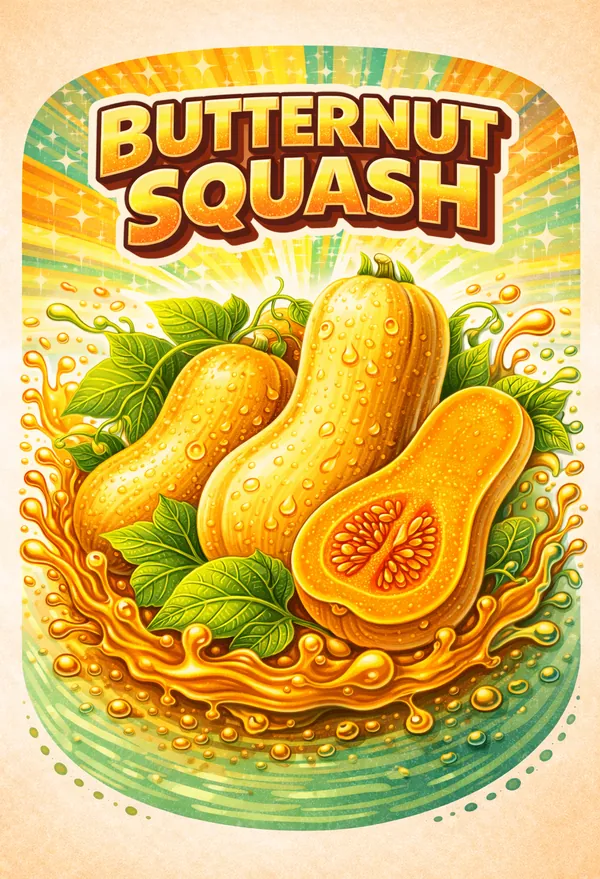
Butternut squash ingredient formats: puree, concentrate, powder, frozen cubes

Butternut squash overview (flavor, color, and functionality)

Butternut squash is valued for its naturally sweet, creamy profile and warm orange color. In manufacturing, it’s commonly used to build body and viscosity (puree), add vegetable sweetness and color cues (concentrate), or support dry handling in seasoning and mixes (powder).

What it adds

  • Flavor: mild squash sweetness with buttery notes; can range from fresh to roasted/caramelized depending on processing
  • Texture: puree provides creamy mouthfeel and thickness in soups, sauces, and baby food
  • Color: orange-yellow hue that supports “pumpkin/squash” positioning and visual appeal
  • Formulation: can reduce added sugar needs in some savory and sweet systems (usage-rate dependent)

Performance considerations

  • Viscosity control: puree solids and sieve drive thickness and processing behavior
  • Flavor management: heat can push flavor toward roasted/cooked notes—define your target sensory profile
  • Color consistency: natural variation exists; specify acceptable range and approve against a reference
  • Dry systems: powder moisture/flow impacts caking and blend uniformity

Buyer tip: If your finished product is retorted, hot-filled, or UHT, share the process. Time/temperature strongly affects squash flavor and color.

Choose the right butternut squash format

Match format to whether you need creamy body, efficient dosing, dry convenience, or visible vegetable identity.

Format Why buyers choose it Best fit applications Lane
Puree (Aseptic/Frozen) Body/viscosity + authentic squash texture; easy incorporation in wet systems. Soups, sauces, baby food bases, bakery, prepared meals. Aseptic / Frozen (program-dependent)
Concentrate Higher solids for logistics efficiency and consistent dosing at scale. Soup/sauce bases, prepared meals, controlled squash dosing in blends. Ambient / Chilled / Frozen (program-dependent)
Powder Dry handling; long shelf life; low water activity; easy blending. Dry soup mixes, seasonings, snacks, bakery mixes, functional blends. Ambient
Frozen (Cubes/Diced/Chunks/Blocks) Visible vegetable identity; batch flexibility; year-round supply. Prepared meals, roasted veg blends, foodservice, meal kits. Frozen

Quick QA shortcut: share your target viscosity, process (retort/hot-fill/kettle cook/bake), and desired flavor (fresh/creamy vs. roasted). We’ll match the program.

Available formats

Frozen Butternut Squash

Frozen squash is used when you want flexible batch usage and visible vegetable identity. Programs commonly include cubes/diced, chunks, frozen puree, or puree blocks depending on supplier.

What buyers specify

  • Form: cubes/diced, chunks, frozen puree, or puree blocks
  • Cut size (uniformity impacts cook time and texture)
  • Defects/foreign material limits + sorting level
  • Micro specs and lot traceability
  • Cold-chain requirements and pallet configuration

Typical applications

  • Prepared meals, soups, and foodservice
  • Roasted vegetable blends and side dishes
  • Pureed soups and sauces (after cooking/blending)
  • Frozen smoothie blends and vegetable mixes

Tip: If you are roasting or baking frozen cubes, specify size and moisture expectations to manage browning and yield.

Butternut Squash Concentrate

Squash concentrate is produced by removing water from squash streams (program-dependent) to increase solids for efficient shipping and consistent dosing. It’s commonly used in soups, sauces, baby food bases, and flavor systems where you want controlled squash character.

What buyers specify

  • Target solids/°Brix or concentration factor (program-dependent)
  • Color target and acceptable range
  • Sensory profile (fresh/creamy vs. cooked/roasted)
  • Micro limits and shelf-life expectations
  • Packaging (drums/totes) + storage (ambient/chilled/frozen program-dependent)

Typical applications

  • Soup bases, sauce systems, and prepared meals
  • Baby food and kids nutrition bases (program-dependent)
  • Vegetable blends (carrot, apple, pumpkin-style systems)
  • Seasonal formulations needing consistent squash dosing

Buyer tip: Tell us whether your priority is color, sweetness, or creamy squash flavor. That drives the best-fit program.

Butternut Squash Powder

Squash powder is used for dry handling and long shelf life in seasoning systems, dry mixes, and functional blends. It can provide warm color cues and mild sweetness while keeping water activity low.

What buyers specify

  • Particle size / mesh (mouthfeel and blend uniformity)
  • Moisture target and flow/caking tolerance
  • Color intensity and flavor strength
  • Dispersibility if reconstituting into liquids
  • Micro limits; packaging and shelf-life target

Typical applications

  • Soup and sauce dry mixes
  • Seasonings, snacks, and savory rubs
  • Bakery mixes and seasonal flavors
  • Nutrition blends (program-dependent)

Tip: If powder is used in beverages, specify instant dispersibility and your target usage rate to avoid sediment.

Butternut Squash Puree

Butternut squash puree is a go-to ingredient for creamy soups, sauces, baby food, and baked goods because it adds viscosity, mouthfeel, and authentic squash character. Programs may be supplied as aseptic or frozen depending on supplier.

What buyers specify

  • Solids/°Brix (or solids %) and pH (where applicable)
  • Viscosity/flow target for pumping and filling
  • Sieve / particle size (smooth vs. rustic)
  • Color and sensory profile (fresh/creamy vs. cooked/roasted)
  • Heat treatment / aseptic requirements (as applicable)
  • Micro limits, packaging, and shelf-life expectations

Typical applications

  • Soups, sauces, and dips
  • Prepared meals and fillings
  • Baby food and kids nutrition (program-dependent)
  • Bakery: muffins, breads, fillings, and seasonal items
  • Blends: apple-squash, carrot-squash, pumpkin-style systems

Tip: For aseptic puree, confirm your desired texture (sieve) and viscosity range—these drive line performance and consumer mouthfeel.

Quick selection guide: which butternut squash format fits your product?

Squash can be used for creamy texture, visible inclusions, or dry convenience. This guide helps you shortlist the right format.

Goal Recommended format Why
Creamy texture + body Puree Delivers viscosity and smooth mouthfeel for soups, sauces, baby food, and bakery.
Efficient shipping + consistent dosing Concentrate Higher solids reduce freight and simplify dosing for industrial liquid systems.
Dry handling + long shelf life Powder Best for dry mixes, seasonings, snacks, and functional blends.
Visible vegetable identity Frozen cubes/diced Maintains recognizable squash pieces for meals and foodservice.

Buyer tip: Share your process (retort, hot-fill, kettle cook, frozen) and target viscosity—those details determine the best program for texture and flavor.

Typical specifications (what to ask for)

Specs vary by format and program; this checklist helps your team align quickly.

ParameterHow it’s typically specified
Solids / °Brix Set per format (puree vs. concentrate). Define targets or acceptable ranges.
Viscosity / flow Important for puree and concentrates; align to pumping and filling requirements.
Sieve / particle size For puree: smooth vs. rustic mouthfeel; specify sieve spec and tolerance.
Cut size (Frozen) Cube/dice size range, broken % tolerance, defects/foreign material limits.
Moisture / flow (Powder) Moisture target, flowability/caking tolerance, particle size/mesh.
Color / flavor Orange hue intensity and sensory profile (fresh/creamy vs. roasted/cooked) with a reference standard.
Microbiology Limits per intended use and your QA standards; confirm for ready-to-eat vs. cooked products.
Certifications USDA Organic / Kosher / others upon request (where available).
Packaging Drums/totes/aseptic bags for puree/concentrate; lined cases/bags for powder; frozen cases for frozen items.
Storage Frozen for cubes; puree/concentrate program-dependent (aseptic may be ambient); powder typically ambient and dry.

Applications

Common application paths for butternut squash ingredients include:

  • Soups & sauces: creamy soup bases, bisques, sauces, dips, and spreads
  • Prepared meals: frozen entrées, side dishes, fillings, meal kits
  • Baby & kids: puree-based meals and blends (program-dependent)
  • Bakery: muffins, breads, fillings, glazes, seasonal items
  • Beverage blends: smoothie blends and vegetable-forward drinks (format dependent)
  • Dry systems: soup mixes, seasoning blends, snacks, and powdered formulations

Tip: Tell us your end product and whether you want visible pieces or smooth body. We’ll recommend the best format and a spec outline.

Packaging & storage guidance

Packaging: Drums and totes are common for concentrates and purees (aseptic bags may be available for some puree programs); powders ship in lined cases or bags; frozen programs require frozen-capable packaging and palletization.

Storage: Concentrate/puree storage depends on program (aseptic may be ambient; otherwise chilled/frozen). Frozen formats generally require cold chain. Powder is typically stored ambient in a cool, dry environment.

Documentation: COA and supporting quality documents are typically available. If you need USDA Organic, Kosher, allergen statements, or additional testing, mention it in your inquiry.

Traceability: Industrial programs often include lot IDs and origin information; requirements vary by supplier.

Receiving checklist: verify temperature (frozen/chilled), sample per QA plan, and hold/release against COA for lot-to-lot consistency.

Related products

If you’re building vegetable blends or multi-ingredient programs, these are commonly sourced alongside butternut squash: