All Mushroom formats in one page

Mushroom: Bulk Ingredients

We supply bulk Mushroom ingredients for food and beverage manufacturing through a network of leading processors. This page covers every available Mushroom format — Frozen Mushroom, Mushroom Powder, Mushroom Puree — with buyer-friendly guidance on Mushroom specs, Mushroom applications, and Mushroom packaging.

Available Mushroom formats
Frozen Mushroom • Mushroom Powder • Mushroom Puree
Mushroom programs
Conventional & Organic Mushroom options*
Mushroom use cases
Beverage • Dairy • Bakery • Culinary

*Mushroom availability depends on the specific Mushroom item, Mushroom species, crop year, origin, and processor program.

Buyer tip: “Mushroom” can mean different species and functions (culinary flavor vs. functional positioning). For accurate sourcing, specify the Mushroom type (e.g., button, shiitake, lion’s mane, reishi) and whether the Mushroom ingredient is for flavor, texture, or functional claims.
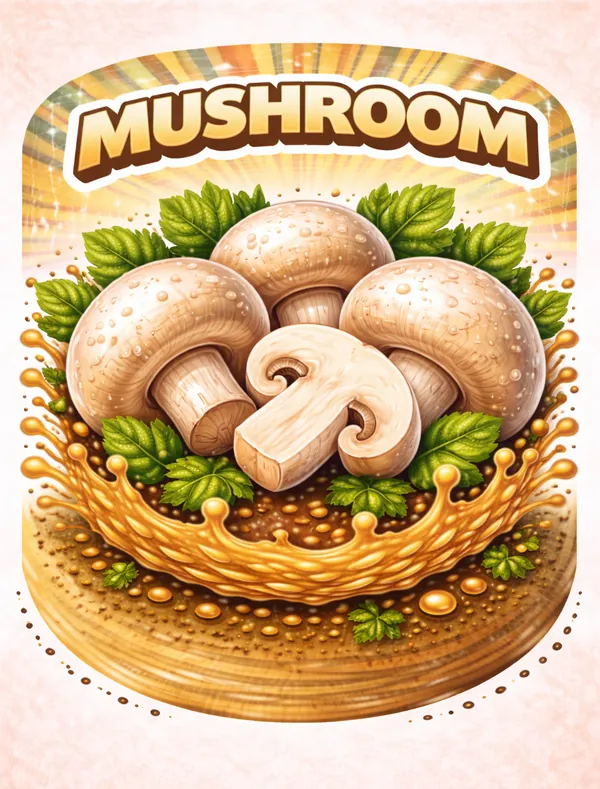
Mushroom product hero image

Mushroom product overview

Mushroom ingredients are used for savory Mushroom character (umami), body/mouthfeel, and culinary depth in a wide range of applications. Frozen Mushroom is often selected when you need recognizable Mushroom pieces or minimal processing. Mushroom Puree is used for consistent Mushroom texture and dispersion in sauces, soups, and prepared foods. Mushroom Powder is chosen for dry handling, easy dosing, and stable storage—commonly used as a seasoning-style Mushroom ingredient or in dry blends. Mushroom programs can vary significantly by Mushroom species and process, so aligning on Mushroom type and functional goal is key.

Available Mushroom formats

Frozen Mushroom

Frozen Mushroom ingredients are used to preserve Mushroom quality and provide year-round access to seasonal or program-specific Mushroom supply. Frozen Mushroom may be offered as IQF, slices, dice, or frozen blocks depending on the Mushroom program.

What Frozen Mushroom buyers specify

  • Frozen Mushroom form (IQF Mushroom, Mushroom slices, Mushroom dice, Frozen Mushroom blocks — program-dependent)
  • Frozen Mushroom cold chain requirements
  • Frozen Mushroom microbiology and lot traceability
  • Frozen Mushroom packaging and pallet configuration

Typical Frozen Mushroom applications

  • Prepared meals and Frozen Mushroom inclusions
  • Soups and sauces with Frozen Mushroom pieces
  • Foodservice applications using Frozen Mushroom
  • Low-heat processes where Frozen Mushroom character matters

Mushroom Powder

Mushroom Powder is a dehydrated Mushroom ingredient used when you need low water activity and dry Mushroom handling. Mushroom Powder is often specified for particle size and Mushroom intensity, and may be produced from different Mushroom species depending on the program.

What Mushroom Powder buyers specify

  • Mushroom Powder Mushroom type/species (if required)
  • Mushroom Powder particle size (mesh) and flow properties
  • Mushroom Powder moisture and microbiological limits
  • Mushroom Powder flavor intensity (savory/umami vs. mild Mushroom)
  • Mushroom Powder packaging and shelf-life targets

Typical Mushroom Powder applications

  • Mushroom seasoning systems and savory blends
  • Instant soups and dry mixes using Mushroom Powder
  • Bakery and snack formulations needing savory Mushroom notes
  • Functional blend concepts where Mushroom Powder is used (program-dependent)

Mushroom Puree

Mushroom Puree is processed Mushroom used to deliver consistent Mushroom body and Mushroom dispersion. Some Mushroom programs offer controlled particle size for predictable Mushroom mouthfeel.

What Mushroom Puree buyers specify

  • Mushroom Puree solids / texture target
  • Mushroom Puree particle size / sieve spec (if needed)
  • Mushroom Puree flavor profile (mild Mushroom vs. robust Mushroom)
  • Mushroom Puree heat treatment (as applicable)
  • Mushroom Puree packaging and storage requirements

Typical Mushroom Puree applications

  • Mushroom sauces, gravies, and marinades
  • Soups and ready meals using Mushroom Puree
  • Plant-based and culinary bases needing Mushroom body
  • Fillings where Mushroom texture is desired

Typical Mushroom specifications (what to ask for)

Mushroom specs vary by Mushroom format and Mushroom program; this checklist helps your team align quickly on Mushroom requirements.

Mushroom parameterHow Mushroom is typically specified
Mushroom type/speciesDefine the Mushroom species (if required) and intended Mushroom role (culinary vs. functional)
Mushroom cut / formIQF Mushroom / Mushroom slices / Mushroom dice / Frozen Mushroom blocks / Mushroom Puree texture spec
Mushroom solids / textureTarget solids and mouthfeel for Mushroom Puree; piece integrity for Frozen Mushroom
Mushroom flavor profileDefined Mushroom sensory target (mild vs. robust umami) and acceptable variation
Mushroom microbiologyLimits per Mushroom program and intended use
Mushroom certificationsUSDA Organic Mushroom / Kosher Mushroom / others upon request (where available)
Mushroom packagingFrozen Mushroom packaging; Mushroom Powder bags/cases; Mushroom Puree drums/totes (program-dependent)
Mushroom storageFrozen for Frozen Mushroom; ambient for Mushroom Powder; ambient/chilled/frozen for Mushroom Puree based on program

Tip: If Mushroom Powder is used in beverages, ask for Mushroom Powder dispersibility and any sedimentation behavior in your beverage system.

General Mushroom market specifications (buyer guidance)

“Mushroom” is a broad category. Buyers often align on market-style Mushroom targets before finalizing a supplier COA-based Mushroom spec. These common Mushroom checkpoints help speed up RFQs and sampling.

  • Frozen Mushroom: common market asks include Mushroom cut size, blanching status (if applicable), Frozen Mushroom micro limits, and Frozen Mushroom packaging/pallet configuration.
  • Mushroom Powder: common market asks include Mushroom type/species, Mushroom mesh size, Mushroom moisture, Mushroom microbiology, and Mushroom sensory intensity (umami strength).
  • Mushroom Puree: common market asks include Mushroom particle size/texture, Mushroom solids, Mushroom flavor profile, and Mushroom heat treatment approach.

Buyer tip: If you are positioning Mushroom as “functional,” confirm documentation that supports your intended claims and ensure the Mushroom program matches your regulatory and label requirements.

Mushroom applications

Common application paths for Mushroom ingredients include:

  • Mushroom culinary: Mushroom sauces, Mushroom gravies, Mushroom marinades, Mushroom soups, Mushroom prepared meals
  • Mushroom savory systems: Mushroom seasoning blends, Mushroom snack coatings, savory bases using Mushroom Powder
  • Mushroom beverage concepts: select functional-style beverages using Mushroom Powder (program-dependent)
  • Mushroom dairy: niche applications where Mushroom flavor is desired (program-dependent)

Tip: Tell us your Mushroom end product (Mushroom soup, Mushroom sauce, Mushroom seasoning, etc.). We can suggest the best Mushroom format and a buyer-friendly Mushroom spec outline.

Mushroom packaging & storage guidance

Mushroom packaging: Frozen Mushroom programs require frozen-capable packaging and palletization. Mushroom Powder typically ships in lined cases or bags. Mushroom Puree commonly ships in drums or totes depending on the Mushroom program.

Mushroom storage: Frozen Mushroom requires frozen storage. Mushroom Powder is typically ambient-stable when stored dry. Mushroom Puree may ship ambient, chilled, or frozen depending on the Mushroom program.

Mushroom documentation: Mushroom COA and supporting Mushroom quality documents are typically available. If you need USDA Organic Mushroom, Kosher Mushroom, allergen statements, or additional testing, mention it in your Mushroom inquiry.

Mushroom traceability: Industrial Mushroom programs often include lot IDs and Mushroom origin information; requirements vary by Mushroom supplier.

Related products

If you’re building blends or multi-ingredient programs, these are commonly sourced alongside Mushroom: