Bulk asparagus formats in one page

Asparagus: Bulk Ingredients

We source bulk asparagus ingredients for industrial food manufacturing through a network of qualified processors. This page covers the formats we supply for asparagus — Frozen, Powder, Puree — with practical guidance on specs, applications, and bulk packaging.

Available formats
Frozen • Powder • Puree
Programs
Conventional & Organic options*
Best fit
Soups • Sauces • Seasonings • Ready meals

*Availability depends on item spec, crop year, origin, and processor program.
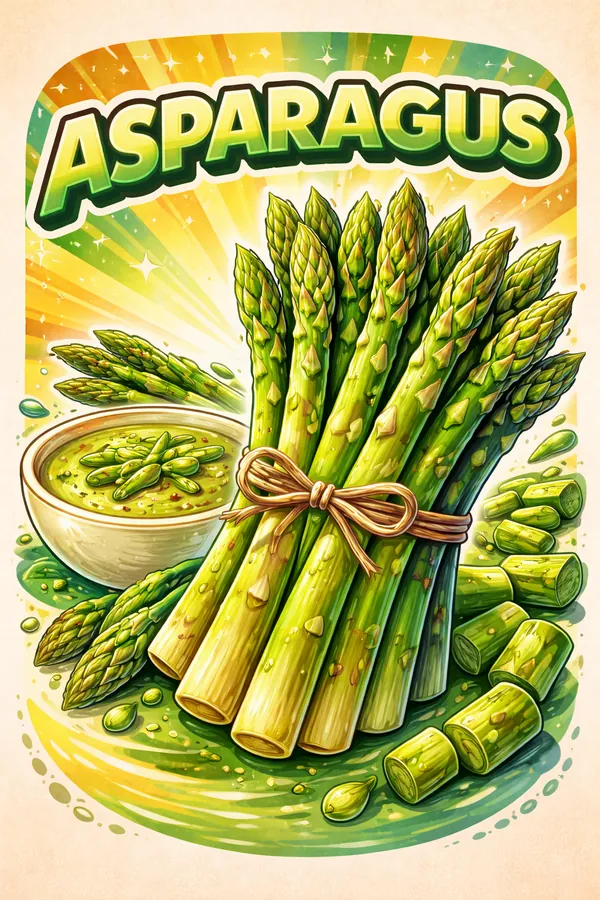
Bulk asparagus ingredients for industrial manufacturing (frozen, powder, puree)

Asparagus product overview

Asparagus brings a distinct green, savory vegetable character to formulations. It’s commonly used in soups, sauces, ready meals, seasonings, and snack systems. Powders provide dry handling and consistent dosing, purees add body and authentic vegetable solids, and frozen formats support low-heat handling and clean vegetable notes in production.

Practical note: asparagus aroma can be sensitive to heat and hold time. Share your process (cook step, retort, UHT, bake), and we’ll suggest the best format and a procurement-ready spec outline.

What asparagus contributes in formulations

  • Savory “green” identity: supports creamy soups, sauces, and vegetable-forward ready meals.
  • Color direction: green tone is matrix- and heat-dependent; align on expectations early.
  • Texture control: puree can be finished to a particle spec for consistent mouthfeel.
  • Format flexibility: powder for dry dosing; frozen for low-heat handling; puree for pumped batching.
  • Operational fit: choose by lane (ambient vs. frozen) and wet vs. dry processing needs.

Choose the right asparagus format

Use this matrix to match format selection to your handling needs (wet vs. dry), target flavor, and manufacturing lane.

Format Why buyers choose it Best fit applications Lane
Frozen Protects sensory quality; supports low-heat handling; flexible for R&D and production. Soups, sauces, ready meals, culinary prep, pilot runs. Frozen
Puree Adds body and vegetable solids; consistent texture; efficient pumping and batching. Soup bases, sauces, dips, fillings, ready meals. Aseptic Ambient / Frozen
Powder Dry handling; easy dosing; long shelf-life; strong fit for seasoning systems and dry mixes. Seasonings, snack coatings, dry soup mixes, savory bakery mixes (application-dependent). Ambient

Fast selection tip: if your system is dry, start with asparagus powder. If you need body and pumped batching, start with asparagus puree. If your goal is a fresh vegetable note with low-heat handling, start with frozen.

Format details: what to specify + how it’s used

Frozen

Frozen asparagus programs help preserve vegetable character and deliver year-round access. Forms vary by processor program and may include IQF cuts/pieces or frozen processed formats.

  • Form (cuts/pieces, IQF, blocks, frozen puree — program-dependent)
  • Cold chain requirements and receiving plan
  • Micro specs and lot traceability
  • Pack type, net weight, pallet configuration
  • Soup and sauce manufacturing
  • Ready meals and frozen entrees
  • Culinary applications and foodservice
  • Pilot batches before aseptic scale

Powder

Asparagus powder is chosen for dry processing and consistent dosing in seasoning and mix systems. Programs may be spray-dried or dehydrated/milled; carriers may be used depending on target flow and dispersibility.

  • Carrier system (if applicable), particle size/mesh, flow
  • Moisture / water activity targets
  • Color expectations (green tone) and acceptable variation
  • Flavor intensity and off-note sensitivity
  • Dispersibility (if used in liquids)
  • Micro limits and shelf-life target
  • Pack format (lined bags/cases) + pallet configuration
  • Snack seasonings and coatings
  • Dry soup mixes and bases
  • Dry blends for sauces/dips
  • Savory bakery mixes and fillings
  • Seasoning systems for ready meals

Color tip: if you need a specific “green” look, share a reference or target range. Color can shift with heat exposure and the finished matrix.

Puree (aseptic or frozen)

Asparagus puree provides vegetable solids + body and is commonly used in soups, sauces, dips, and ready-meal systems. Programs can often target a controlled finish/particle spec for consistent mouthfeel.

  • Solids / consistency target + tolerance
  • Particle size / sieve spec (smooth vs. rustic)
  • Flavor intensity expectations
  • Heat treatment (aseptic/pasteurized) as applicable
  • Micro limits + shelf-life target
  • Pack and lane (aseptic ambient vs. frozen)
  • Soup bases and finished soups
  • Sauces, dips, and spreads
  • Ready meals and fillings
  • Culinary systems and foodservice

Industrial applications for asparagus (by category)

Asparagus ingredients are typically used in savory applications where a green vegetable profile is desired. Tell us your end product and process—this helps match the right format and spec.

Cream soups, broth-based soups, concentrated bases. Best formats: puree, frozen.

Pasta sauces, savory dips, vegetable spreads. Best formats: puree, powder (dry premix).

Prepared meals, fillings, inclusions (program-dependent). Best formats: frozen, puree.

Snack seasoning, dry soup, savory blends. Best formats: powder.

Savory fillings and dry mix systems. Best formats: powder, puree.

Sauces, prep bases, seasonal menus. Best formats: frozen, puree.

Speed tip for sourcing: include your preferred lane (ambient/frozen), target texture (smooth vs. coarse), and whether the product will be cooked, retorted, UHT’d, or baked.

Typical specifications: what to ask for

Specs vary by format and program; this checklist helps your team align quickly.

ParameterHow it’s typically specified
FormatFrozen (cuts/IQF/processed), powder, puree (aseptic/frozen).
Solids / consistencyFor puree: consistency target + tolerance; for frozen: grade/form.
Particle sizeFor puree: sieve/finish spec; for powder: mesh/PSD; for frozen: cut size.
ColorGreen tone expectations and acceptable variation (process/matrix affect color).
Flavor profileTarget intensity and any off-note sensitivity (process-dependent).
MicrobiologyLimits per program and intended use.
CertificationsUSDA Organic / Kosher / others upon request (where available).
PackagingDrums/totes/cases/bags; net weight + pallet configuration.
Storage & shelf lifeAmbient/frozen requirements; remaining shelf life at ship.
TraceabilityLot IDs, origin/country of origin, crop year (if required).

Packaging & storage guidance

Packaging: Purees often ship in drums/totes (aseptic or frozen). Powders commonly ship in lined cases or bags. Frozen programs require frozen-capable packaging and palletization.

Storage: Powder is typically ambient. Frozen formats require continuous cold chain. Puree storage depends on heat treatment and program.

Documentation: COA and supporting quality documents are typically available. If you need additional testing or compliance documentation, include it in your inquiry.

Receiving: confirm drum/tote handling (pump capability), thawing plan (if frozen), and storage capacity.

If you share your target usage rate (e.g., % in sauce or seasoning), we can recommend a format and spec that avoids over- or under-dosing.

Asparagus FAQ

Puree is common for consistent body and pumped batching. Frozen is used when low-heat handling and fresher vegetable notes are prioritized.

Yes—many buyers specify dispersibility requirements if the powder will be hydrated into soups or sauces. Share your process and target texture.

Format, particle size/finish, color expectations, micro limits, packaging, annual volume, destination, lane, and your process step (cook/retort/UHT/bake).

Related products

For savory programs and vegetable blends, these items are commonly sourced alongside asparagus: